
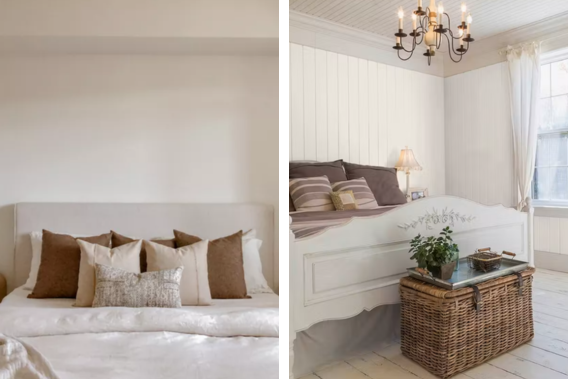
Finding smart ways to decorate a compact space can completely change how a bedroom looks and feels. These minimalist bedroom ideas for small rooms focus on clean layouts, practical furniture, and simple details that create a calm atmosphere without sacrificing personality. A thoughtfully arranged room can appear brighter, more open, and easier to maintain while still reflecting your style.
This collection highlights creative storage solutions, cozy textures, and space-saving designs that work beautifully in apartments, guest rooms, and smaller homes. If you’re searching for inspiration that combines comfort with simplicity, these ideas offer plenty of fresh possibilities to explore.
1. Scandinavian Minimalist Bedroom Design
A calm and airy atmosphere often begins with the simple beauty of Scandinavian design. This style focuses on clean lines, practical furniture, and a balanced mix of comfort and function. Soft shades, natural materials, and uncluttered surfaces help a small bedroom feel brighter and more open. Adding touches of light wood, cozy textiles, and subtle decor creates warmth without overwhelming the room.
What makes this look so appealing is its ability to combine simplicity with personality. A carefully chosen platform bed, a textured rug, and a few meaningful accessories are often all that is needed. Large windows, minimal window treatments, and thoughtful organization encourage natural light to become part of the design itself, making the bedroom feel peaceful and inviting every day.
2. Neutral Color Palette Small Bedroom
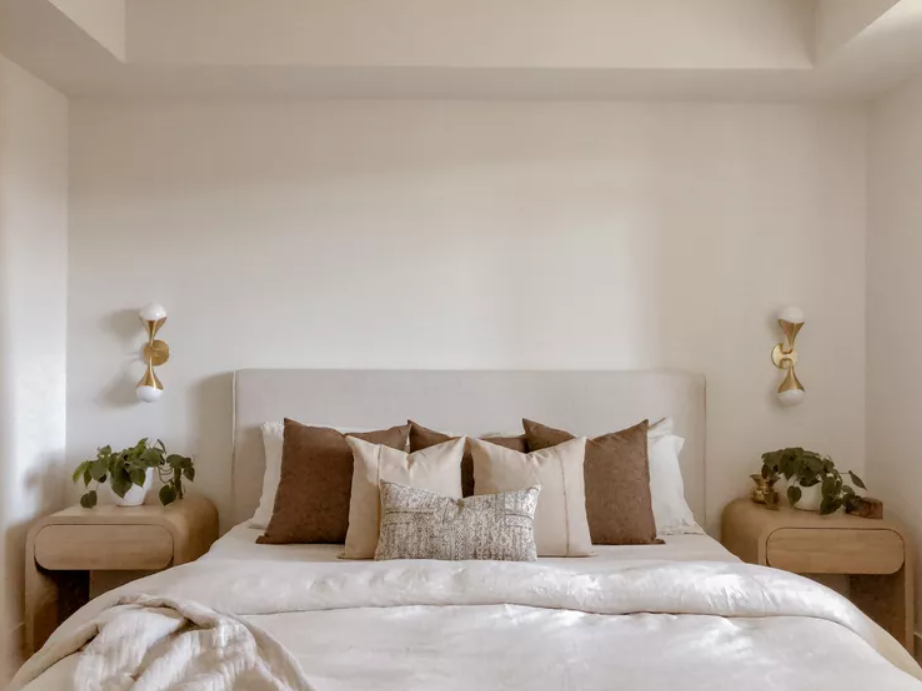
Soft tones have a remarkable way of making limited square footage appear larger than it really is. Shades such as beige, cream, taupe, and warm gray create visual continuity that allows a small bedroom to feel relaxed and uncluttered. Instead of competing for attention, these colors blend together seamlessly, giving the room an effortless sense of harmony.
Adding interest becomes easy when texture takes the place of bold color. Layered bedding, woven baskets, linen curtains, and knitted throws bring depth while preserving the soothing atmosphere. Small accents in wood, stone, or matte black provide contrast without disturbing the calm mood. A thoughtfully designed neutral palette can remain timeless for years while adapting easily to changing decor preferences.
3. Platform Bed with Hidden Storage
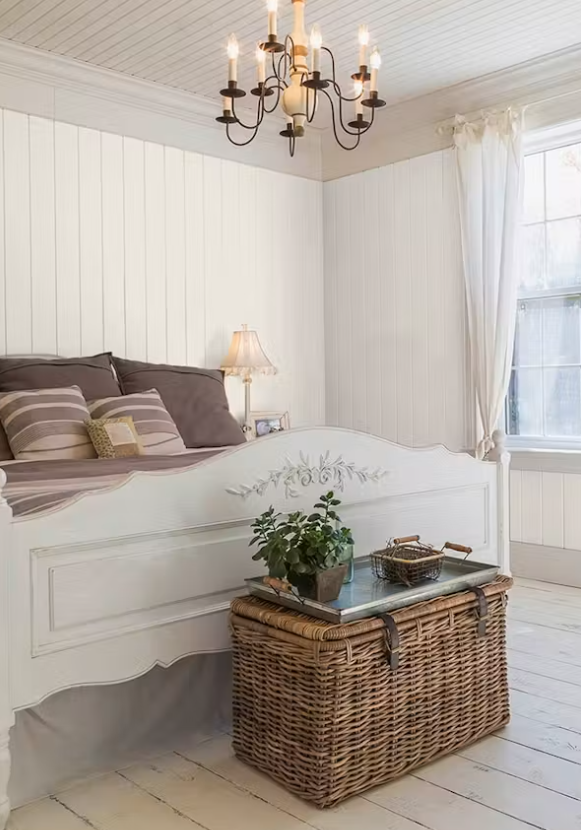
Finding extra storage in a compact bedroom can completely transform how the space functions. A platform bed with hidden storage offers an elegant solution by using an area that often goes unused. Drawers beneath the mattress can hold seasonal clothing, spare blankets, shoes, or personal belongings while keeping everything neatly tucked away.
The beauty of this setup lies in its ability to reduce visual clutter. Without the need for additional dressers or bulky cabinets, the room instantly feels more spacious and organized. Pairing the bed with streamlined furniture and minimal decorations enhances the open feeling even further. This practical choice proves that smart design can improve both the appearance and functionality of a minimalist bedroom.
4. Floating Nightstands for Extra Floor Space
Small design adjustments sometimes make the biggest difference in a compact room. Installing floating nightstands frees valuable floor area while maintaining all the convenience of traditional bedside tables. Their suspended appearance creates a lighter visual effect that helps the room feel less crowded and more breathable.
Beyond aesthetics, these wall-mounted pieces provide practical storage for books, chargers, or nighttime essentials without adding unnecessary bulk. The open space underneath allows light to flow more naturally through the room, contributing to a cleaner overall appearance. Pairing floating furniture with simple decor and hidden cable management strengthens the minimalist look while making everyday cleaning much easier.
5. White and Wood Minimalist Bedroom
Few combinations feel as timeless as the pairing of white walls with natural wood accents. The crisp brightness of white reflects light throughout the room, while wood introduces warmth and texture that prevents the space from feeling cold or sterile. Together they create a balanced environment that feels both modern and welcoming.
Adding wooden bed frames, shelving, or side tables keeps the design grounded and organic. Natural grain patterns become decorative features on their own, reducing the need for excessive ornamentation. Soft fabrics in beige or cream complement the palette beautifully while maintaining visual simplicity. This style works particularly well in small bedrooms because it enhances openness without sacrificing comfort or character.
6. Monochrome Minimalist Bedroom Style
Restraining the color palette can produce surprisingly dramatic results. A monochrome bedroom built around shades of black, white, and gray creates a sophisticated atmosphere with strong visual cohesion. The limited range of colors allows architectural details and textures to become the true stars of the room.
Rather than relying on decorative objects, interest comes from layering materials such as linen bedding, matte finishes, and soft rugs. Dark accents can add depth while lighter surfaces prevent the room from feeling heavy. Strategic lighting helps highlight contrast and create mood throughout the day. The result is a refined space that feels modern, intentional, and effortlessly organized.
7. Floor Bed for a Spacious Feel
Lowering the sleeping area can completely change the perception of a room’s size. A floor bed draws the eye downward, making ceilings appear higher and the bedroom feel more expansive. This simple adjustment creates an open, airy environment that aligns perfectly with minimalist principles.
The relaxed and informal appearance of a low-profile bed also contributes to a sense of calm. Surrounding the sleeping area with minimal furniture encourages better movement and less visual distraction. Soft lighting, natural fabrics, and subtle decor can make the room feel cozy while preserving its spacious character. This approach works especially well in smaller homes where every visual trick matters.
8. Wall-Mounted Lighting to Save Space
Freeing up surface space becomes much easier when lighting moves off the furniture and onto the walls. Wall-mounted lighting eliminates the need for bulky table lamps while providing focused illumination exactly where it is needed. Adjustable sconces are particularly useful for reading or relaxing in bed.
Removing extra objects from nightstands instantly creates a cleaner and more organized appearance. The room benefits from improved functionality without sacrificing style, and the added wall detail can even serve as decorative interest. Choosing sleek fixtures with simple lines reinforces the minimalist aesthetic while helping maximize every inch of available space in a small bedroom.
9. Built-In Shelving Minimalist Bedroom
Storage can become part of the architecture rather than an afterthought. Built-in shelving uses vertical space efficiently while keeping the room visually streamlined. Unlike standalone furniture, integrated shelves blend into the walls and create a custom appearance that feels intentional and sophisticated.
Displaying only a few carefully selected items helps maintain the minimalist philosophy while adding personality to the space. Books, plants, artwork, and decorative pieces can be arranged neatly without creating clutter. Painted to match the walls or finished in natural wood, these shelves contribute to a cohesive look that makes even the smallest bedroom feel thoughtfully designed.
10. Japandi-Inspired Small Bedroom
The combination of Japanese simplicity and Scandinavian comfort creates the beautifully balanced style known as Japandi. This approach embraces natural materials, clean silhouettes, and purposeful decor choices that encourage tranquility and mindfulness. Every object serves a function while contributing to the overall atmosphere.
Muted colors, handcrafted accessories, and low-profile furniture help create an environment that feels grounded and serene. Textures such as wood, linen, and ceramics introduce warmth without visual noise. A carefully edited selection of furnishings keeps the room uncluttered and peaceful. For small bedrooms, the Japandi style offers a perfect blend of elegance, practicality, and timeless appeal.
11. Multifunctional Furniture Bedroom Setup
When every square foot matters, furniture that serves more than one purpose becomes incredibly valuable. A multifunctional bedroom setup might include storage beds, foldable desks, benches with compartments, or convertible seating that adapts throughout the day. These pieces help maximize usability without overcrowding the room.
The added flexibility allows a small bedroom to function as a sleeping area, workspace, and relaxation zone all at once. Keeping furniture versatile reduces the need for additional items, which naturally supports a minimalist lifestyle. Smart planning ensures the room remains comfortable and organized while meeting changing needs over time.
12. Cozy Minimalist Bedroom with Soft Textures
Minimalism does not have to feel cold or overly strict. Introducing soft textures creates warmth and comfort while preserving the clean aesthetic that defines the style. Layered bedding, plush rugs, linen curtains, and knitted throws can transform a simple room into a welcoming retreat.
The secret lies in choosing tactile materials rather than excessive decorations. A limited color palette paired with rich textures adds visual depth without introducing clutter. Natural fibers and subtle patterns encourage relaxation while maintaining an uncluttered appearance. This balance between simplicity and comfort makes a cozy minimalist bedroom feel inviting, restful, and easy to enjoy throughout every season.
FAQs
1. What is the best way to make a small bedroom look bigger with a minimalist design?
The easiest way to create the feeling of extra space is to reduce visual clutter and keep only the essentials in the room. Choosing simple furniture with clean lines, using light colors, and allowing more visible floor space can make a small bedroom appear much larger than it actually is. Mirrors and natural light also help open up the room and create an airy atmosphere.
2. Which colors work best for a minimalist small bedroom?
Soft neutral shades such as white, beige, cream, light gray, and pale taupe are popular choices because they reflect light and make the room feel more spacious. However, minimalist spaces do not have to be completely white. Muted greens, soft blues, and warm earth tones can add personality while still maintaining a calm and uncluttered appearance.
3. How much furniture should a minimalist bedroom have?
A minimalist bedroom should include only the pieces that serve a clear purpose. In most small rooms, this means a bed, a nightstand, and enough storage to keep everyday items organized. Avoid filling empty corners simply to occupy space, since openness is one of the main features of minimalist design.
4. What type of bed is best for a small minimalist bedroom?
Platform beds, low-profile frames, and beds with built-in storage are excellent choices for compact spaces. These designs provide functionality without overwhelming the room visually. Beds with drawers underneath can also reduce the need for additional dressers or storage units.
5. How can I add storage without making the room feel crowded?
Vertical storage is one of the smartest solutions for small bedrooms. Floating shelves, wall-mounted cabinets, and under-bed storage containers help maximize every inch of available space while keeping the floor clear. Hidden storage options are especially useful in maintaining a tidy minimalist look.
6. Can a minimalist bedroom still feel cozy and inviting?
Absolutely. Minimalism focuses on intentional design rather than emptiness. Soft bedding, textured throws, comfortable rugs, and warm lighting can make a minimalist bedroom feel relaxing and welcoming while still preserving its clean and simple style.
7. Are decorations allowed in a minimalist bedroom?
Decor is perfectly acceptable as long as it is chosen thoughtfully. A few framed prints, a small plant, or a simple lamp can add character without creating clutter. The goal is to select meaningful pieces instead of displaying too many accessories at once.
8. What lighting works best in a minimalist small room?
Natural light is ideal whenever possible, but layered lighting can also improve the overall feel of the space. Wall sconces, pendant lights, and compact bedside lamps provide functionality without taking up valuable surface area. Warm lighting often creates a more relaxing bedroom environment.
9. How do I keep a minimalist bedroom organized every day?
Daily organization becomes easier when everything has a designated place. Regularly removing unused items, avoiding impulse purchases, and returning belongings to their storage areas can prevent clutter from building up. Maintaining a minimalist room usually requires simple habits rather than major cleaning sessions.
10. Is minimalist design expensive to achieve in a small bedroom?
Not at all. Many minimalist bedrooms are created by removing unnecessary items rather than purchasing expensive furniture or decorations. Repurposing existing pieces, decluttering, and focusing on quality over quantity can help you achieve the look on almost any budget.